
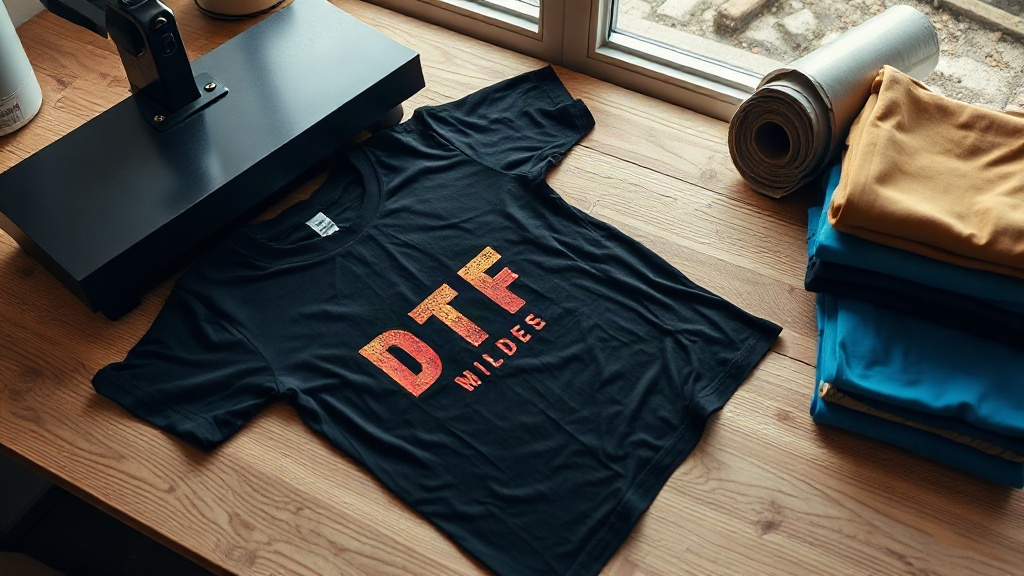
When you're heat pressing DTF transfers onto blank apparel, the garment you choose can make or break the final result. Not all blanks are created equal, and two names that consistently deliver reliable results are Shaka Wear and Smart Blanks. Whether you're a small business owner pressing shirts in your garage or a seasoned decorator running a full production line, understanding how these blanks interact with DTF film will save you time, money, and frustration. In this guide, I'll share hands-on insights from pressing thousands of transfers onto both brands, so you can get vibrant, wash-resistant prints every time.
Why Shaka Wear and Smart Blanks Are Popular for DTF
Shaka Wear has built a reputation for heavyweight, streetwear-inspired tees that hold their shape wash after wash. Their 100% cotton and cotton-poly blends provide a smooth surface that DTF transfers adhere to beautifully. The tight knit weave minimizes texture interference, allowing fine details and gradients to shine. Plus, the consistent sizing and colorfast dyes mean your prints look the same on every shirt in a batch.
Smart Blanks takes a different approach, focusing on affordability without sacrificing quality. Their blanks are a favorite among decorators who need volume without breaking the bank. The fabric is often a 50/50 cotton-poly blend, which offers excellent durability and a soft hand feel. For DTF, this blend is particularly forgiving: it resists scorching and provides a smooth canvas that accepts the adhesive powder evenly. I've found that Smart Blanks handle high heat better than some 100% cotton options, making them a smart choice for beginners.
Preparing Your Blanks for DTF Transfers
Before you even think about peeling that film, prep work is non-negotiable. Skipping steps here leads to peeling prints and unhappy customers.
Pre-Pressing Matters
Always pre-press your garment for 5-10 seconds at 300°F (150°C) with medium pressure. This removes moisture and wrinkles, which can cause the transfer to lift or bubble. For Shaka Wear heavyweight tees, I pre-press for a full 10 seconds because the thicker fabric retains more moisture. Smart Blanks usually need only 5-7 seconds, but don't rush it.
Lint and Fiber Removal
Use a lint roller or compressed air to remove any loose fibers. DTF adhesive bonds to lint instead of fabric, leading to premature peeling. This is especially important with Smart Blanks because their poly-cotton blend can shed more than pure cotton.
Application Settings for Shaka Wear and Smart Blanks
While every heat press is slightly different, these starting points will get you close. Always test with a scrap piece first.
- Temperature: 300°F to 320°F (150°C to 160°C) for both brands. Shaka Wear's heavy cotton can handle 320°F, while Smart Blanks do best at 300°F to avoid scorching the poly.
- Pressure: Medium to firm (4-6 on a 1-10 scale). You want the transfer to press into the fabric slightly, but not so hard that the adhesive squishes out.
- Time: 12-15 seconds for Shaka Wear, 10-12 seconds for Smart Blanks. The heavier the fabric, the more time needed for heat to penetrate.
- Peel: Always cold peel. Wait until the transfer is completely cool to the touch before peeling. This prevents the design from stretching or tearing.
After peeling, I like to do a second press with a Teflon sheet for 5 seconds. This ensures the adhesive is fully set and gives the print a matte finish.
Common Pitfalls and How to Avoid Them
Even experienced decorators run into issues. Here are the most common problems with DTF transfers on these blanks and their fixes:
- Peeling after wash: Usually caused by insufficient pressure or time. Increase both slightly and ensure your pre-press is thorough.
- Cracking: Often from overstretching the garment during peeling. Let it cool completely and peel slowly at a 180-degree angle.
- Dull colors: Can happen if the transfer is overheated. Stick to the lower end of the temperature range, especially with Smart Blanks.
- Adhesive residue on press: Use a Teflon sheet or parchment paper between the transfer and the upper platen.
One more tip: store your finished garments flat for 24 hours before wearing or washing. This allows the adhesive to fully cure.
Washing and Care Instructions for Your Customers
To keep prints looking new, advise your customers to wash inside out in cold water and tumble dry low. Avoid fabric softeners and bleach, which break down the adhesive. With proper care, DTF transfers on Shaka Wear and Smart Blanks will outlast the garment itself.
Frequently Asked Questions
Can I use DTF transfers on 100% polyester Shaka Wear shirts?
Shaka Wear does offer some poly styles, but DTF works best on cotton and cotton-poly blends. On 100% poly, you'll need to lower the temperature to 280°F and reduce pressure to avoid dye migration. Always test first.
How do I prevent the transfer from sticking to the Teflon sheet?
Make sure the transfer is completely cool before peeling. If it's still warm, the adhesive can stick. Also, use a fresh Teflon sheet or parchment paper each time.
What's the best way to store unused DTF transfers?
Keep them in a cool, dry place away from direct sunlight. I store mine in a zip-top bag with a silica gel packet to prevent moisture damage.
Do Smart Blanks require different settings than Shaka Wear?
Yes, generally Smart Blanks need slightly lower temperature and shorter time due to their poly content. Start at 300°F for 10 seconds and adjust from there.
How long should I wait before washing a shirt with DTF transfer?
Wait at least 24 hours after pressing. This gives the adhesive time to fully cure. For best results, wait 72 hours.