
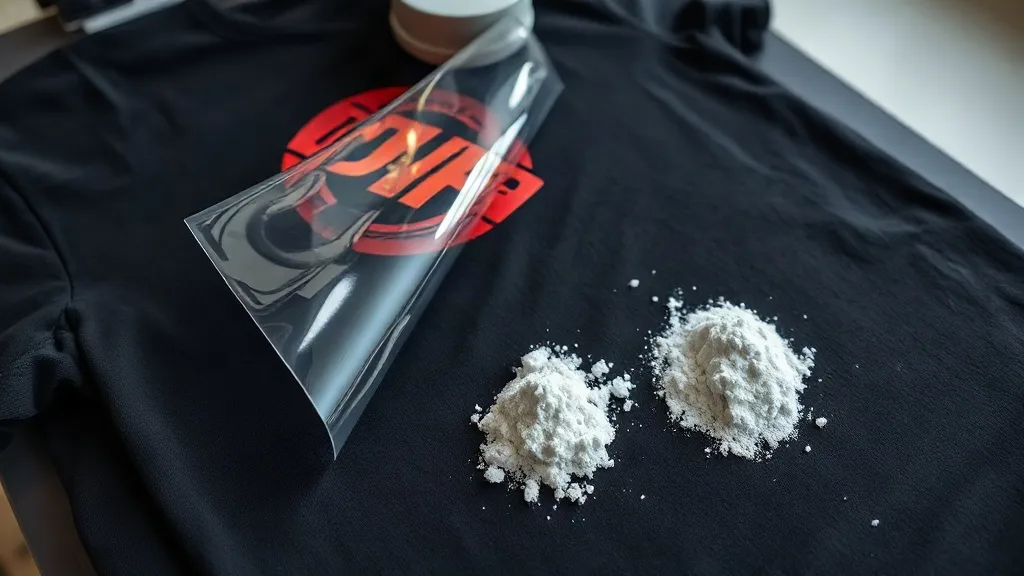
You've just pulled a fresh dtf transfers sheet from the printer, and instead of a smooth, vibrant design, you're staring at a patchy mess where the film refuses to release or the powder has clumped into tiny mountains. If this sounds familiar, you're not alone. Even seasoned dtf operators hit these snags, and they can eat into your profit faster than a misprint on a rush order. The good news? Most film and powder problems trace back to a handful of controllable factors, and once you identify the culprit, the fix is usually straightforward.
In this guide, we'll walk through the most common reasons film sticks, powder clumps, and transfers fail to live up to expectations. You'll get actionable steps to diagnose the issue, adjust your process, and store supplies so they perform consistently. Whether you're running a small home setup or a busy shop, these fixes will help you spend less time troubleshooting and more time pressing.
Why Film Sticks (and How to Release It)
Film that won't peel cleanly is one of the most frustrating dtf transfers issues. You press the transfer, wait for it to cool, and then the film tears or leaves behind a hazy residue. This usually happens for one of three reasons: insufficient pressure, incorrect temperature, or a film that's past its prime.
Start by checking your press settings. DTF film requires even pressure across the entire platen. If your press has a pressure gauge, verify it's set according to the film manufacturer's recommendations. A quick test with a pressure-sensitive paper can reveal dead spots. Next, confirm your temperature. Too low, and the adhesive won't activate; too high, and the film can bond to the garment before you're ready to peel. Use an infrared thermometer to check the actual platen temperature, not just the display reading.
If settings are spot-on, examine the film itself. DTF film has a shelf life, and exposure to humidity or direct sunlight can degrade the release coating. Store film in a cool, dry place, and keep it sealed in its original packaging until use. If you suspect the film is old, try a small test print on a scrap garment before committing to a full order.
The Cold Peel Advantage
Many operators swear by a cold peel for dtf transfers, and for good reason. Waiting until the transfer is completely cool before peeling allows the adhesive to set fully, reducing the chance of film sticking or design distortion. While hot peel films exist, they demand precise timing and can be less forgiving. If you're battling stubborn film, switch to a cold peel approach and see if the problem disappears.
Powder Problems: Clumping, Uneven Coating, and Adhesion
Powder is the unsung hero of dtf transfers, but when it misbehaves, the results are anything but heroic. Clumpy powder leads to uneven adhesive, which in turn causes patchy transfers that crack or wash away. Here's how to tackle the most common powder pitfalls.
Clumping and Moisture
Powder is hygroscopic, meaning it absorbs moisture from the air. In humid conditions, it can clump into hard nuggets that don't melt evenly. To prevent this, store powder in an airtight container with a desiccant pack. Before each use, give the container a gentle shake to break up any minor clumps. If you live in a particularly humid climate, consider investing in a small dehumidifier for your workspace. A simple test: squeeze a pinch of powder between your fingers. It should flow freely, not stick together.
Uneven Application
Even with dry powder, application technique matters. The goal is a thin, uniform layer that covers the wet ink without excess. Too much powder, and you'll get a thick, plasticky feel and potential adhesion issues. Too little, and the transfer won't bond. Use a powder shaker with a fine mesh, and apply in a sweeping motion from a height of about 6 to 8 inches. Then, shake off the excess onto a clean tray. You can reuse this excess if it's free of contaminants, but discard any powder that has touched a printed film.
After applying powder, gently tap the film to distribute it evenly. Some operators use a dedicated powder application machine, but manual application works fine with practice. Just be consistent.
Adhesion and Curing
If your powder is dry and evenly applied but transfers still peel, the issue may be curing. Powder needs to melt and fuse with the ink under heat. Check that your oven or heat source reaches the correct temperature and that the film spends enough time in it. A common mistake is under-curing: the powder looks melted but hasn't fully cross-linked. Invest in a infrared thermometer to verify the actual temperature at the film surface, and follow the powder manufacturer's curing schedule.
Storage That Saves Supplies
Proper storage is your best defense against film and powder problems. Film should be kept in a cool, dark place, away from direct sunlight and heat sources. Humidity is the enemy, so consider storing film in a sealed bin with silica gel packets. Powder should be kept in an airtight container, ideally in a climate-controlled room. Avoid storing powder near your heat press or any area with fluctuating temperatures.
If you're ordering dtf transfers near me and planning to stock up, buy only what you'll use within a few months. Bulk discounts are tempting, but degraded supplies cost more in wasted time and materials. Rotate your stock, using older film and powder first.
When to Replace Your Supplies
Sometimes, no amount of troubleshooting fixes the problem because the supplies themselves are past their prime. Film that has lost its release coating will stick no matter what you do. Powder that has absorbed too much moisture may never flow properly again. Know the signs: film that feels tacky or has visible discoloration, powder that forms hard clumps that don't break up with shaking. In these cases, cut your losses and replace the supplies. It's cheaper than wasting garments and press time.
Also, consider the source. Cheap supplies may save a few pennies upfront but can cause endless headaches. Look for reputable suppliers who provide clear storage guidelines and lot numbers for traceability. If you're unsure where to start, ask other shop owners for recommendations or search for reviews online.
Building a Reliable Workflow
The best way to avoid film and powder problems is to build a consistent workflow. Start with a pre-flight check: verify press settings, inspect film for damage, and ensure powder is dry and free-flowing. Keep a log of settings and environmental conditions so you can trace issues when they arise. Train anyone who uses the equipment to follow the same procedures. A few minutes of prevention can save hours of rework.
Finally, don't be afraid to experiment. Small adjustments to pressure, temperature, or powder application can yield big improvements. Keep a notebook or digital log of what works and what doesn't. Over time, you'll develop a feel for your equipment and supplies that no guide can replace.
Frequently Asked Questions
Why does my DTF film stick to the garment after pressing?
Film sticking usually indicates insufficient pressure, incorrect temperature, or film that has absorbed moisture. Check your press settings, ensure even pressure, and store film in a dry environment. Switching to a cold peel can also help.
How can I stop DTF powder from clumping?
Store powder in an airtight container with a desiccant pack, and keep your workspace dehumidified. Shake the container before use to break up minor clumps. If powder is severely clumped, it may be time to replace it.
What's the ideal temperature for curing DTF powder?
Curing temperatures vary by powder type, but most recommend 160-180°C (320-356°F) for 2-3 minutes. Always follow the manufacturer's instructions and verify with an infrared thermometer.
Can I reuse excess powder that falls off the film?
You can reuse excess powder if it's collected on a clean tray and hasn't touched any printed film or contaminants. However, discard powder that has been exposed to moisture or debris to avoid future problems.
How do I find reliable DTF transfers near me?
Search for local suppliers or online reviews, and ask other shop owners for recommendations. Look for suppliers who provide clear storage guidelines and consistent quality. If you're ordering online, check shipping times and packaging to ensure supplies arrive in good condition.